
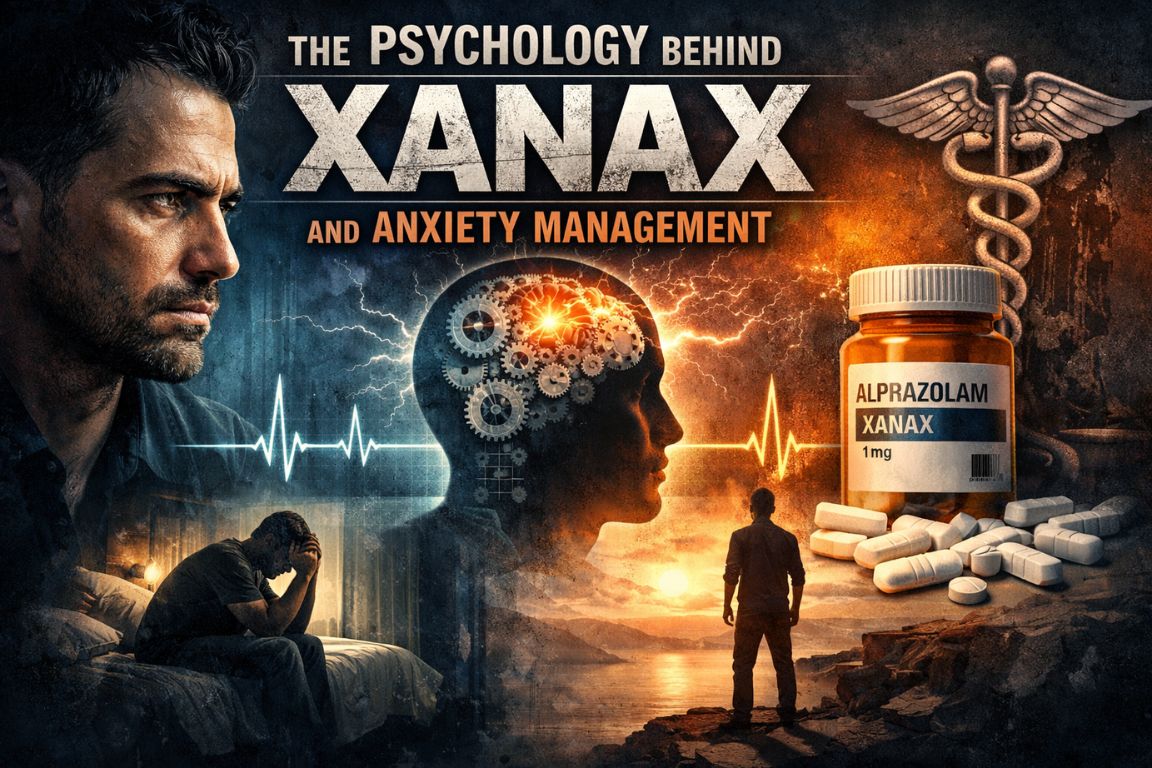
Anxiety isn’t just a feeling—it’s a psychological response shaped by thought patterns, stress, and how the brain processes perceived threats. Xanax is often discussed in anxiety management, but understanding its role requires looking at both brain chemistry and psychology.
How Anxiety Works Psychologically
Anxiety is linked to heightened alertness in the brain. When the mind perceives danger—real or imagined—it can trigger racing thoughts, physical tension, and a sense of urgency. Over time, this response can become automatic, even when no immediate threat is present.
Psychologically, anxiety often involves:
- Anticipatory thinking
- Difficulty calming the mind
- Repetitive worry patterns
- Heightened stress responses
Where Xanax Fits In
Xanax (alprazolam) belongs to the benzodiazepine class and affects GABA, a neurotransmitter that helps calm overactive neural activity. By enhancing GABA’s effects, Xanax can reduce the intensity of anxiety symptoms.
From a psychological standpoint, this calming effect may:
- Reduce immediate emotional overwhelm
- Make anxious thoughts feel less urgent
- Help interrupt acute anxiety or panic
This is why Xanax is sometimes prescribed for short-term or situational anxiety relief.
What Xanax Does Not Address
While Xanax can reduce symptoms, it does not change the underlying psychological patterns that contribute to anxiety. It does not:
- Retrain thought habits
- Resolve long-term stressors
- Replace therapy or coping strategies
For this reason, mental health professionals often view Xanax as supportive, not corrective.
Why Responsible Use Matters
Because Xanax can quickly reduce anxiety, it’s important that it’s used under medical guidance. Psychological dependence can develop when medication becomes the primary way anxiety is managed without addressing deeper patterns.
Responsible anxiety management often combines:
- Therapy or counseling
- Stress-management techniques
- Lifestyle adjustments
- Medical support when appropriate
The Takeaway
The psychology behind Xanax and anxiety management highlights an important distinction: symptom relief versus long-term change. Xanax may help calm acute anxiety, but sustainable management typically involves understanding and reshaping how the mind responds to stress over time.
Used responsibly and as part of a broader care plan, Xanax can play a role—but it works best alongside psychological support.
Canada’s #1 Rx Online Shop
🛒 Buy Now
💸 20% off the entire store — no minimum
Promo Code: BLOG20